Technology
ABPM: 24-Hour Ambulatory Monitoring
Ambulatory monitoring provides a complete view to adjust treatment with precision.
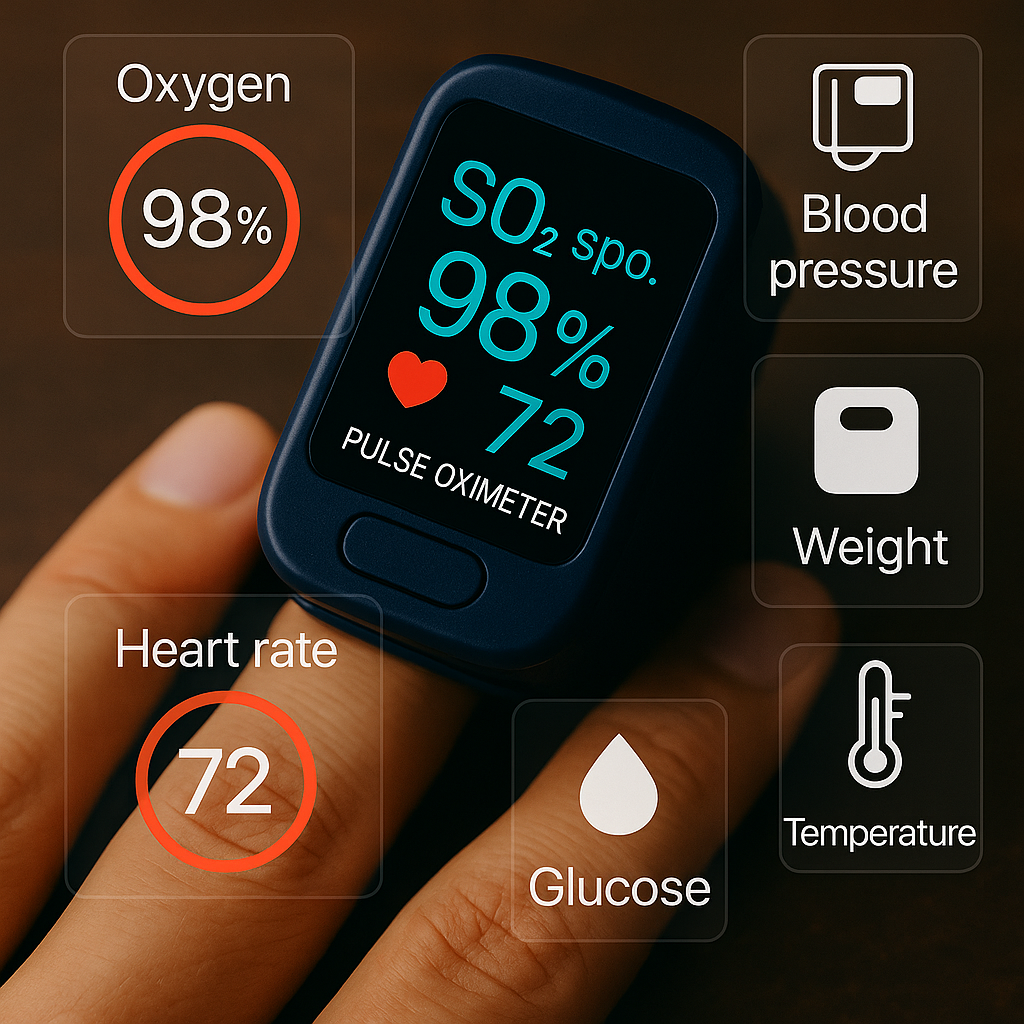
Office blood pressure is a snapshot vulnerable to stress, hurry, and white-coat effect. Ambulatory blood pressure monitoring (ABPM) records automatic readings over 24 hours in usual conditions, revealing true hypertensive load and day-night patterns.
Integrated with telemonitoring, ABPM—or home serial measurement—feeds decisions on true hypertension, treatment resistance, and non-dipping status. Platforms such as Cuico visualize trends so drug adjustments do not hinge on a single clinic number.
For patients, understanding why they wear a cuff day and night improves adherence and eases anxiety. For clinicians, it is the difference between guessing and knowing.
Precision in measurement
ABPM removes much bias of a single visit and computes wake, sleep, and 24-hour means by validated criteria. Visit-to-visit variability stops clouding diagnosis when dozens of contextual readings exist.
Devices must be calibrated with proper cuff size; guidance on still arm and avoiding coffee or intense exercise before measurement improves quality. In remote programs, Cuico collects serial home readings that complement or replace ABPM episodes per protocol.
Diagnostic precision avoids labeling hypertension in people who are normotensive outside clinic—and detects masked hypertension with normal office numbers.
Nighttime patterns
Night profile predicts cardiovascular risk: non-dipping or nocturnal rising links to greater end-organ damage. ABPM quantifies expected sleep-time decline and detects isolated nocturnal hypertension.
Patterns guide drug timing—some agents help at night—and need for sleep apnea or other comorbidity workup. Viewing curves in Cuico helps patients see why treatment is not just “a pill in the morning.”
Ignoring the night is ignoring half the cardiac day in risk terms.
Treatment adjustment
With complete data, clinicians adapt drugs, dose, and schedule to maximize control with minimal side effects. Apparent resistance is often non-adherence, inadequate dose, or untreated nocturnal hypertension—not lack of “stronger” pills.
Serial follow-up after changes confirms 24-hour means hit targets without symptomatic hypotension. Cuico flags sustained deviations for review before the next in-person check.
Personalized hypertension therapy starts with measuring well, not adding drugs at random.
Long-term follow-up
Hypertension demands years of surveillance, not weeks. Repeat ABPM or maintained home serial measurement documents whether therapy stays effective after weight, age, or new drug changes.
Annual trends catch drift before complications. Integrating history in telemonitoring avoids losing context between primary and specialist care.
Patients who see their trend charts engage more in the shared goal: controlled pressure with quality of life.