Healthcare
Telemonitoring: Bridging the Gap Between Patients and Providers
Remote monitoring creates a continuous relationship between patient and care team, improving adherence and response speed.
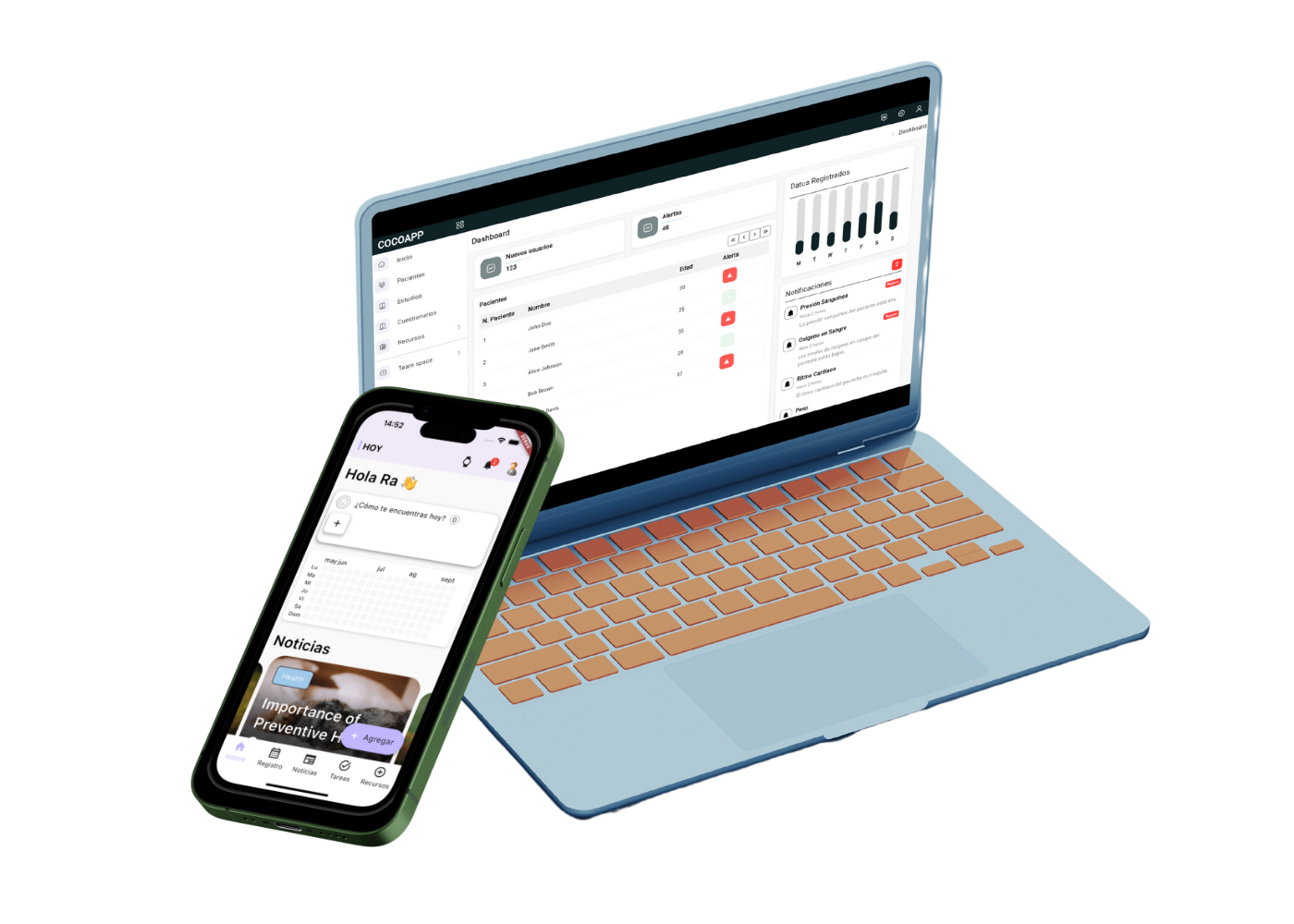
Telemonitoring has reshaped the clinical relationship. It no longer depends on spaced office visits, but on a thread of data and communication that follows patients in their real environment. Validated devices capture blood pressure, oxygen saturation, weight, or activity and sync securely to the platform clinicians use. That continuity is decisive in hypertension, heart failure, or COPD, where change between appointments often defines prognosis.
Cuico was built to close the distance between home and hospital without sacrificing clinical rigor. Professionals see trends, not isolated numbers; patients receive reminders and plain-language guidance on what to measure, when, and why it matters. The model cuts unnecessary travel and surfaces deterioration before it ends in the emergency department.
Successful telemonitoring takes more than technology: response protocols, team training, and realistic patient expectations. When those pieces align, remote monitoring stops being a isolated pilot and becomes a pillar of chronic and post-acute care.
A continuous data flow
A mature telemonitoring program rests on uninterrupted flow: home capture, encrypted transmission, quality checks, and clinical presentation in a unified dashboard. Gaps in data—from forgetfulness, battery, or connectivity—should trigger proactive support, not patient blame.
Cuico centralizes readings from multiple devices and ties them to the care plan. Teams see weekly blood pressure or saturation trends alongside prior notes and alerts, avoiding decisions based on a single office reading. That longitudinal view is the difference between monitoring and truly understanding.
Continuous flow also enables audit and process improvement: response times, adherence rates, and avoided episodes. Data stops being archive and becomes organizational learning.
Better adherence and support
Adherence is not only taking medication—it includes measuring as directed, logging symptoms, and acting when warning signs appear. Smart reminders, gradual goals, and positive reinforcement maintain routine without turning the app into a stressor.
Remote support signals that patients are not alone between visits. Short team messages, answers to common questions, and contextual education build confidence and reduce program drop-off, especially among older adults or those with limited digital literacy.
Cuico balances automation and human touch: technology reminds; clinicians interpret and decide. That equilibrium sustains habits over the long term.
Context-aware alerts
A useful alert explains what changed, since when, and what action is suggested. Without context, patients panic and clinicians waste time verifying false alarms. Current systems cross thresholds with recent history and risk profile.
A single desaturation after exertion, for instance, can be distinguished from a recurring nighttime pattern suggestive of sleep apnea. Cuico shows the trend alongside the point reading so decisions are fast and well grounded.
Tuning sensitivity by condition and treatment phase reduces noise without blunting clinical sensitivity. Alerts should educate as much as they protect.
Clinical and economic impact
Studies and real-world service experience show fewer readmissions, fewer emergency visits, and better vital control in well-governed programs. Savings are not only financial—they free beds, reduce team burnout, and improve patient experience.
Return on investment depends on scale, target condition, and response speed. Cuico helps track clear indicators—days without readings, time to contact, avoided episodes—to demonstrate value to leadership and payers.
Beyond economics, telemonitoring dignifies chronic care: patients stay in their environment with professional oversight. That is the promise digital health must keep.