Technology
The Rise of Wearable Health Technology
Wearables enable continuous, non-invasive monitoring and open new opportunities for prevention.
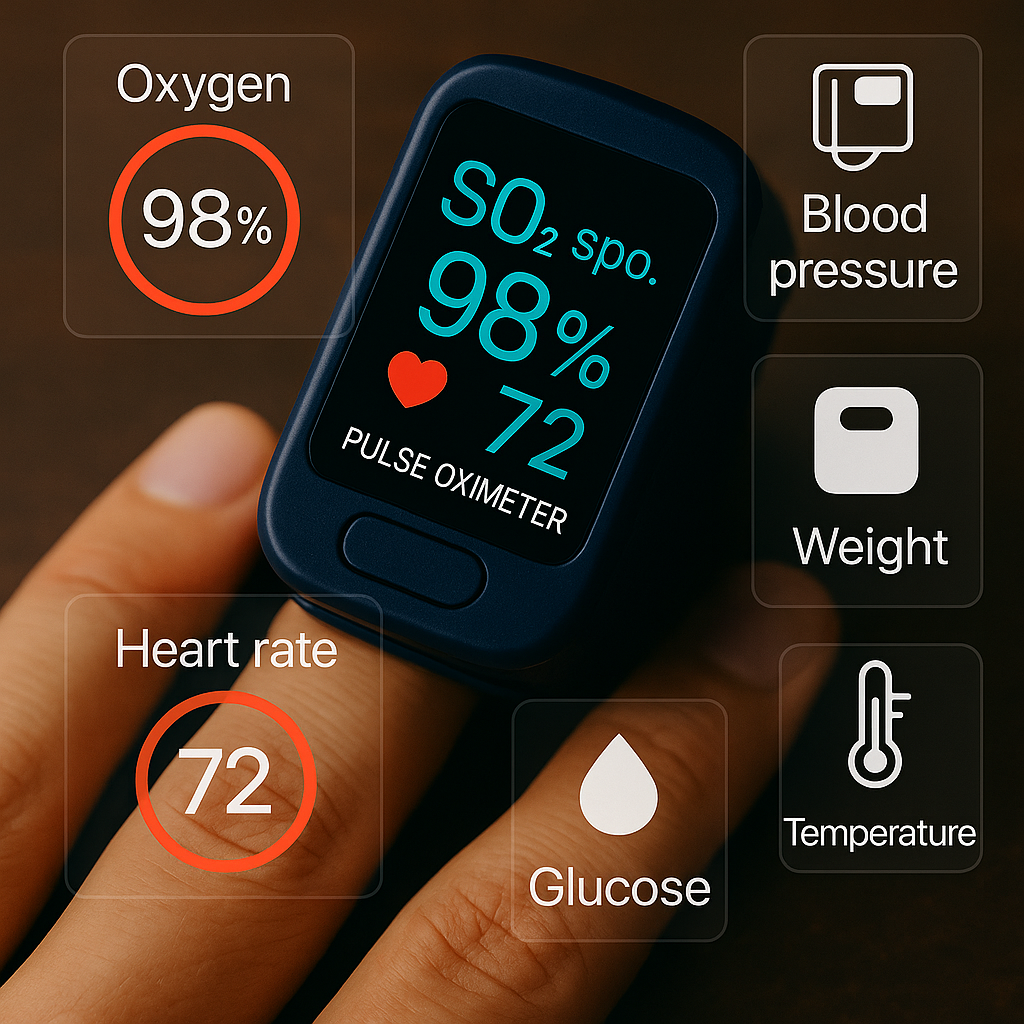
Wearables evolved from step counters to clinically relevant sensors: heart rate, variability, oximetry, sleep, and activity. Their full potential appears when data leaves the watch silo and reaches the team making therapeutic decisions.
In telemonitoring, wearables complement certified medical devices—they add context on exertion, rest, and habit adherence. Cuico integrates heterogeneous sources so clinicians do not juggle five separate apps.
The goal is not metric hoarding but meaningful surveillance. This article explores accuracy, prevention, data quality, and where wearable health is headed in 2026.
More accurate sensors
Latest-generation optical sensors and motion-correction algorithms improve stability of heart rate and sleep estimates. Accuracy still varies by skin tone, fit, and activity type.
For remote clinical use, favor devices with published validation or integration with approved medical hardware. Cuico lets consumer wearables sit alongside certified blood pressure monitors and pulse oximeters so critical decisions rest on the most reliable source.
Sensor innovation continues—hydration, non-invasive glucose, and estimated pressure are in development. Until they mature, clinical prudence remains mandatory.
Prevention and early detection
Tracking trends in activity, heart rate variability, or saturation helps anticipate decompensation in heart failure or COPD. A sustained drop in steps with lower nighttime SpO₂ may precede an avoidable admission.
Wearables empower patients with immediate feedback—more sleep, walking after meals, spotting resting tachycardia. When those signals reach the team through Cuico, prevention stops being isolated self-tracking and becomes coordinated care.
Early detection works only with a response protocol. Without it, data piles up anxiety without clinical action.
Data quality and context
Not all devices measure alike or under the same conditions. Artifacts from tattoos, sunlight, or sharp motion can mimic arrhythmias or desaturations. Validating sources and flagging doubtful readings prevents wrong decisions.
Context matters: a heart-rate spike after stairs is not the same as one at rest. Cuico stores activity and timing metadata so clinicians interpret, not merely react to numbers.
Teaching patients proper pulse oximeter placement or cuff fit improves quality more than any algorithmic filter alone.
The future of wearables
Coming years will bring tighter EHR interoperability, open data standards, and condition-specific devices—kidney failure, arrhythmia, cardiac rehab—rather than generic wellness metrics.
Regulation will sharpen what may be called diagnosis versus wellness. Platforms that unify flows, such as Cuico, will bridge consumer innovation and responsible clinical practice.
Wearables will not replace visits, but they will ensure visits arrive better informed and sooner.